Which guide fits you?
Pick the guide that matches where you are now and what you are applying for. Several can apply at once, and that is fine: read the closest one first, then borrow from the others.
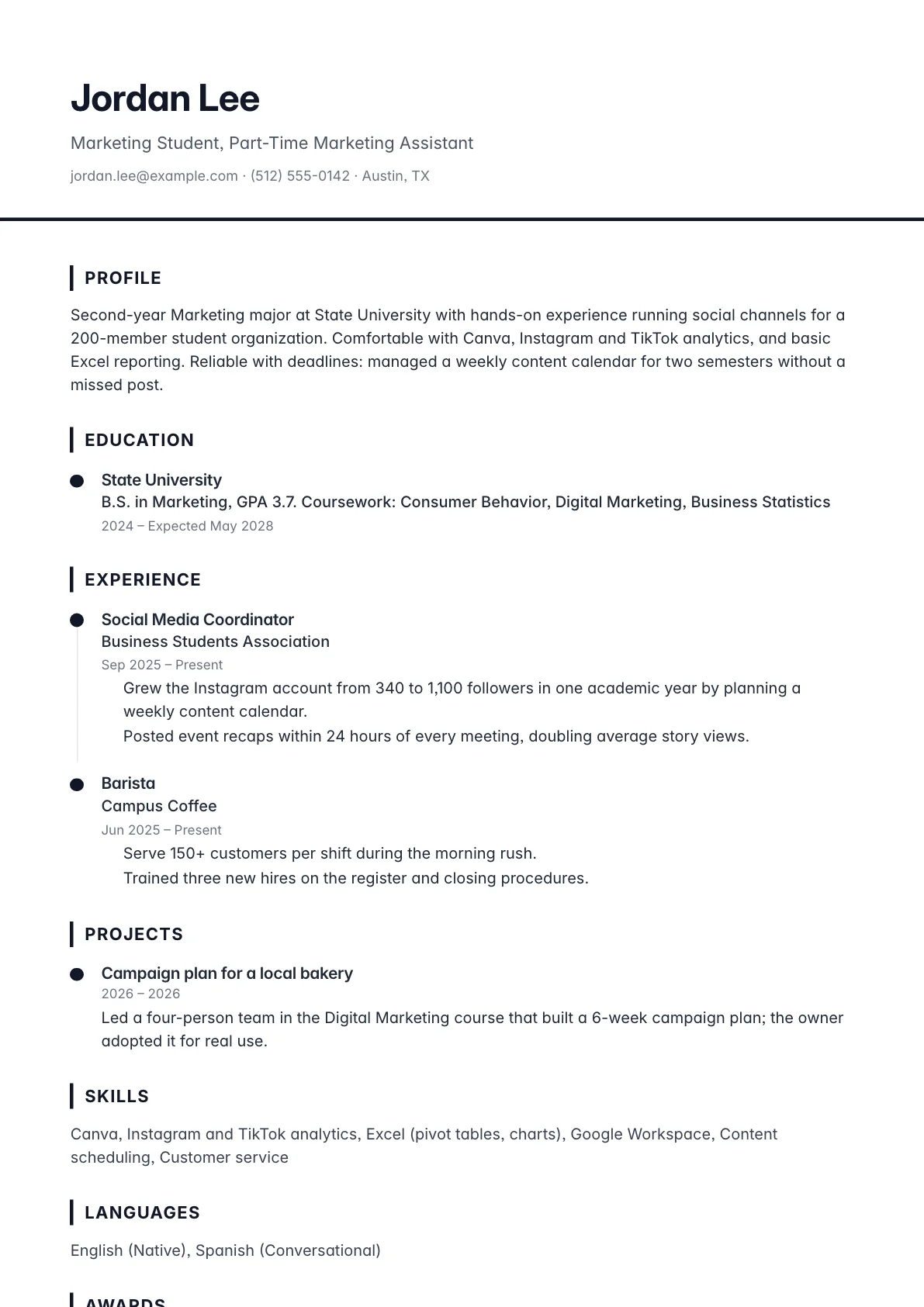
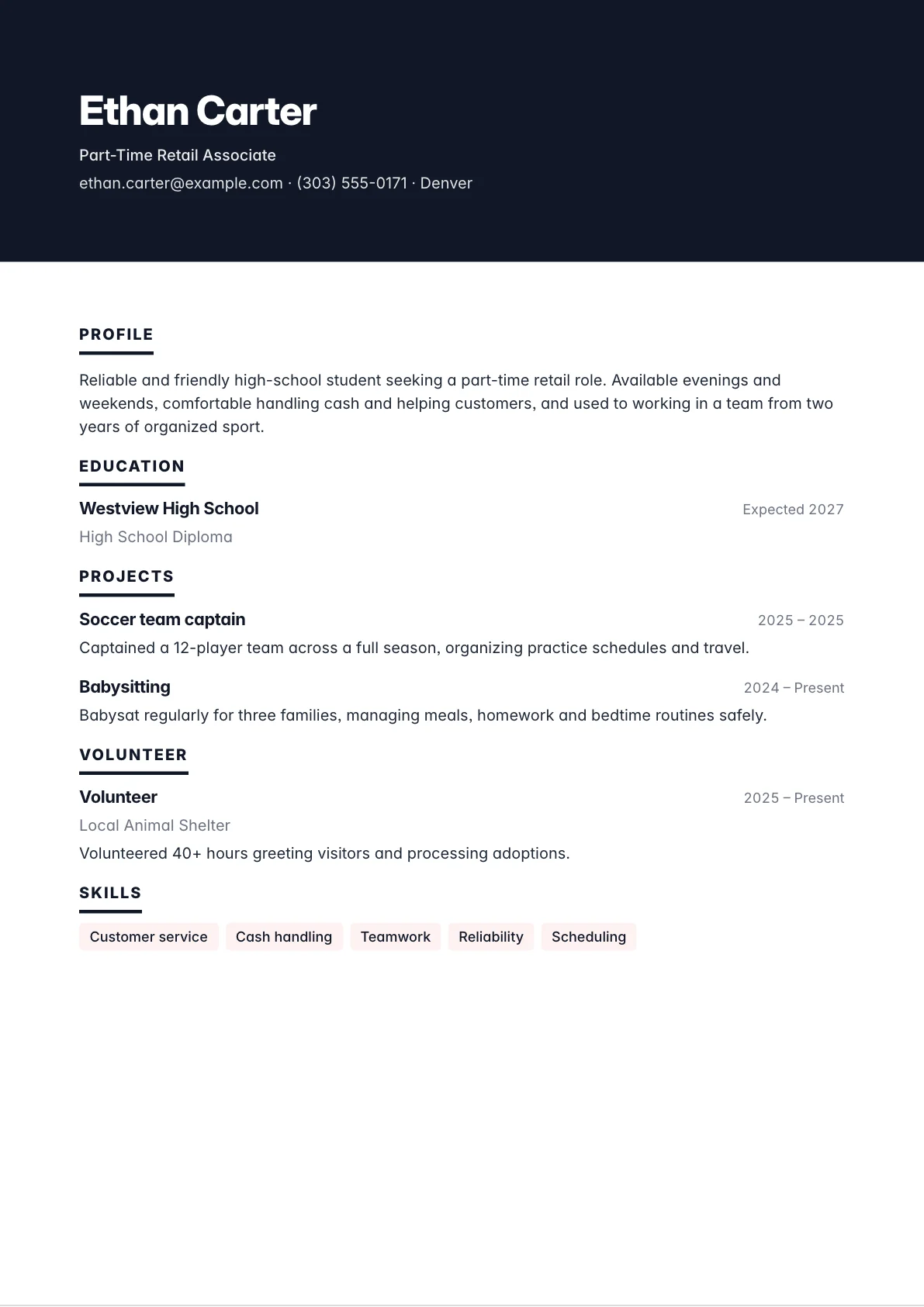
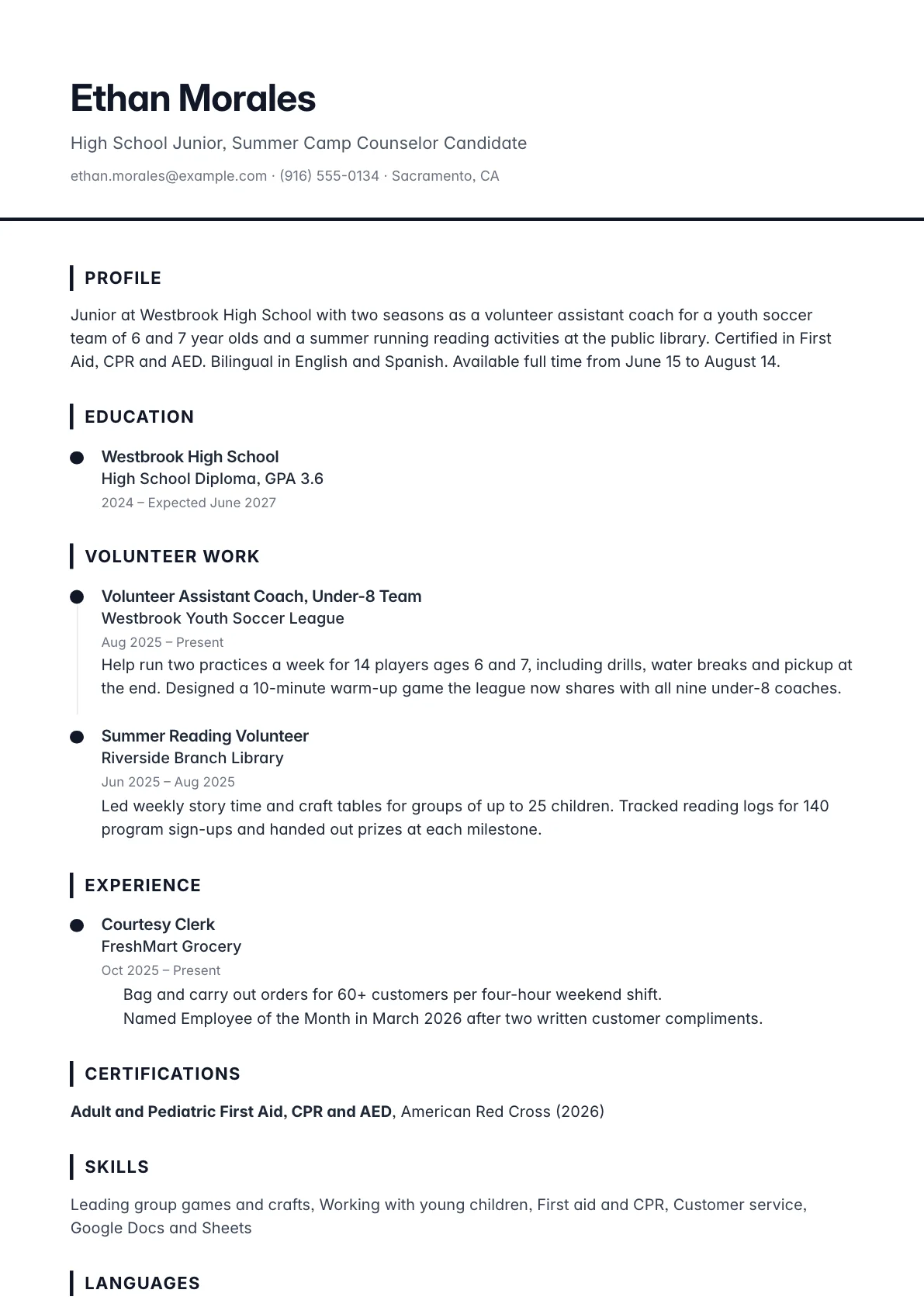
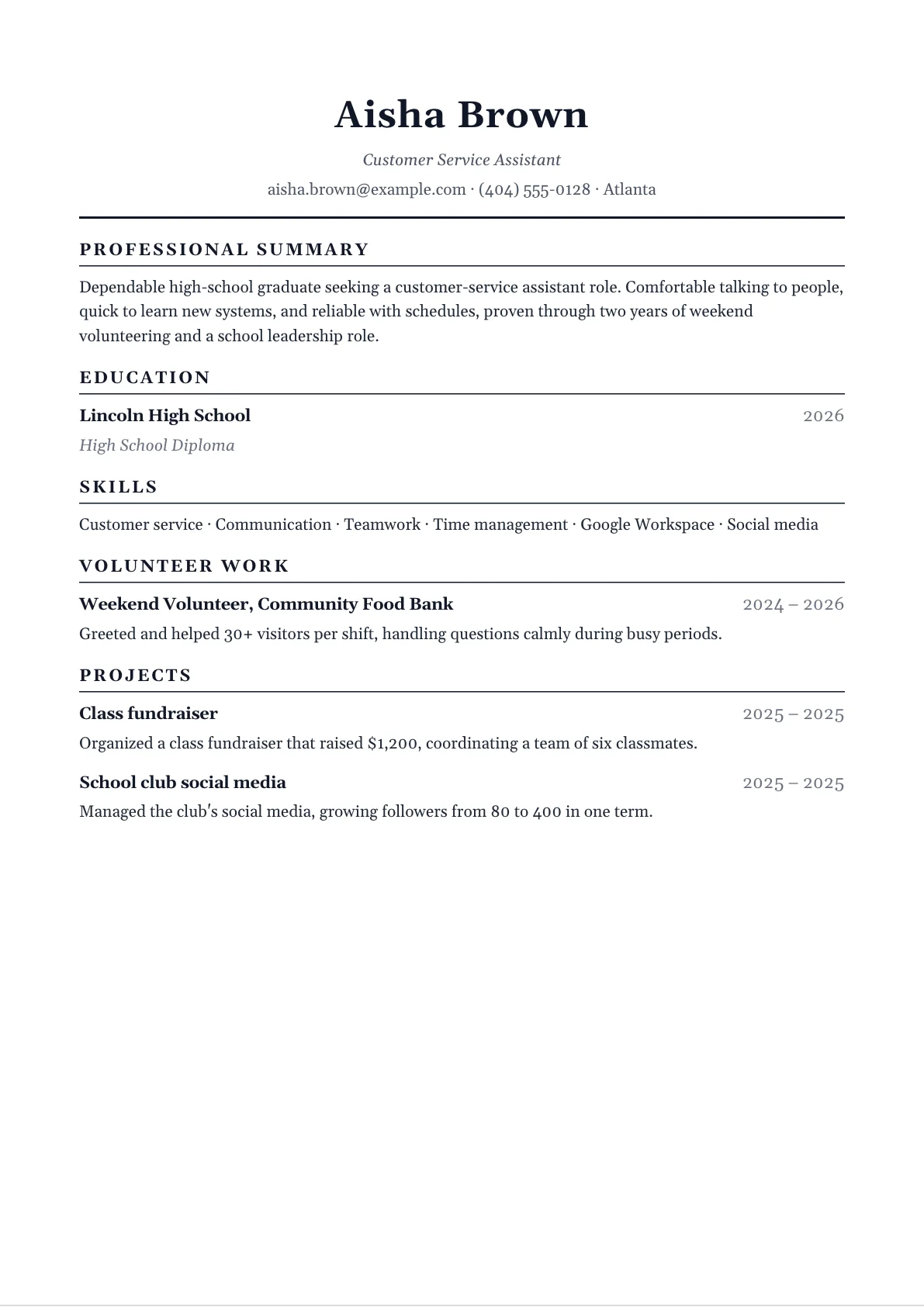
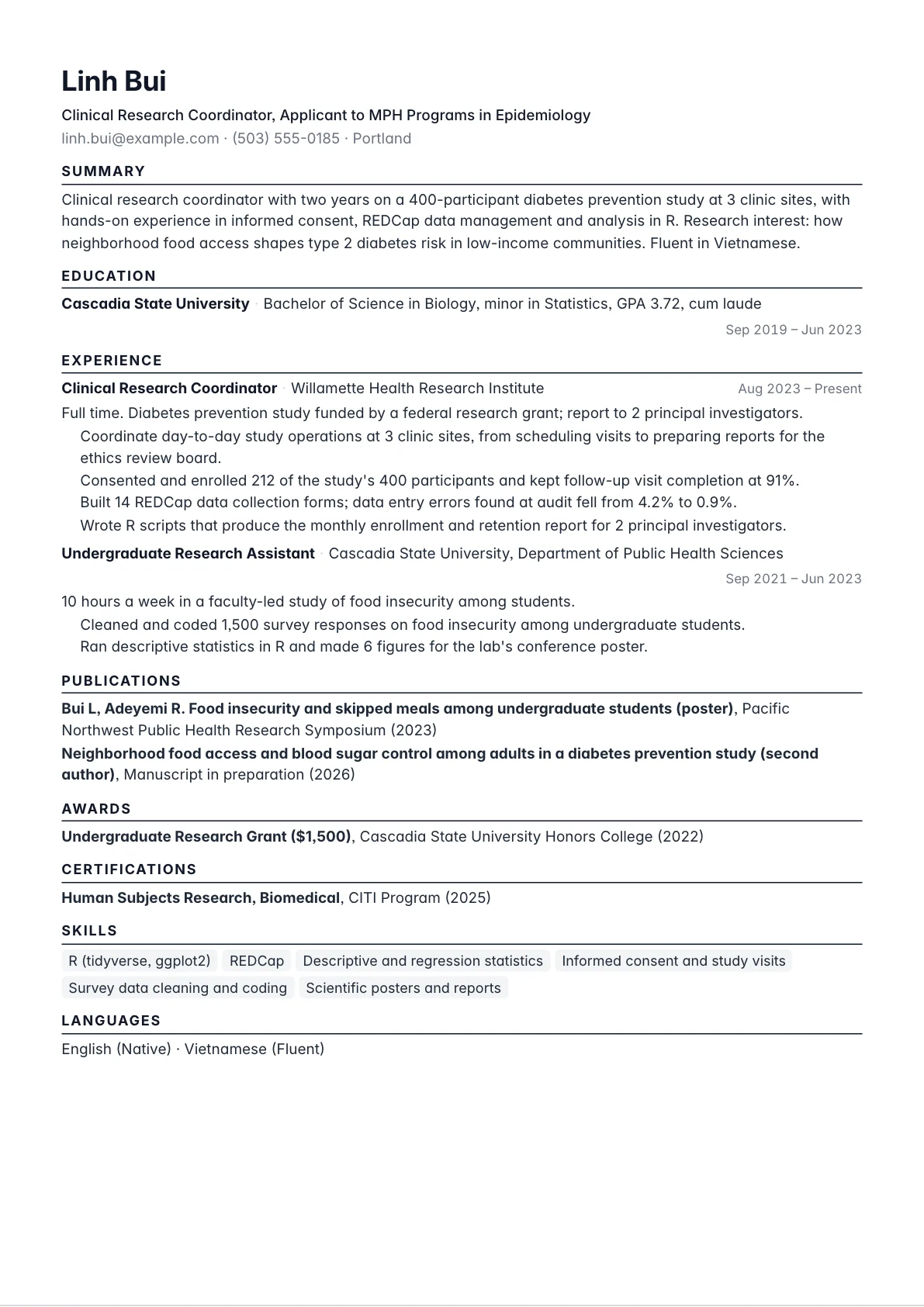
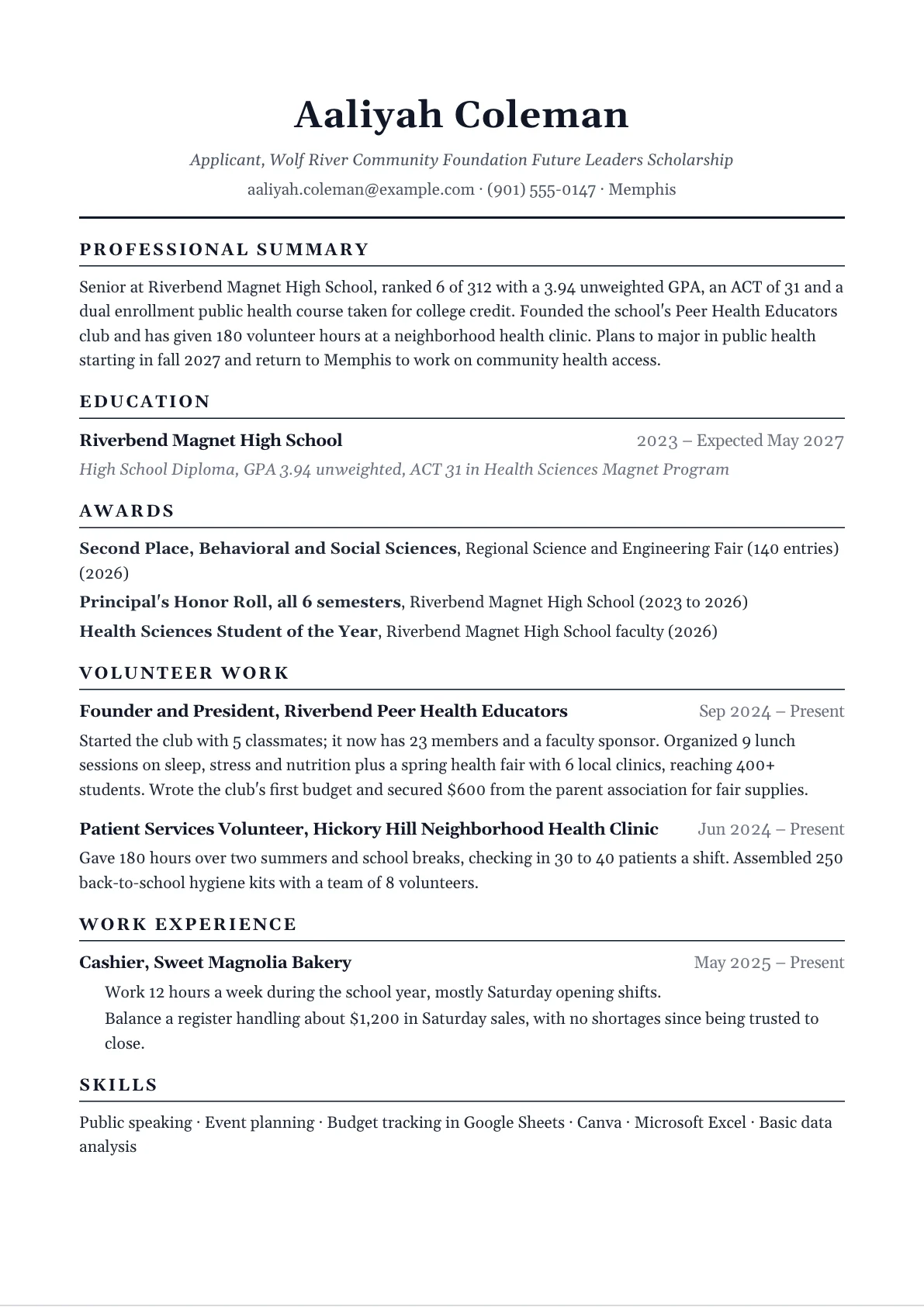
- In high school. For a part-time or summer job, start with the high school student guide. For an award, the scholarship guide builds the page around what the committee scores instead of what an employer wants.
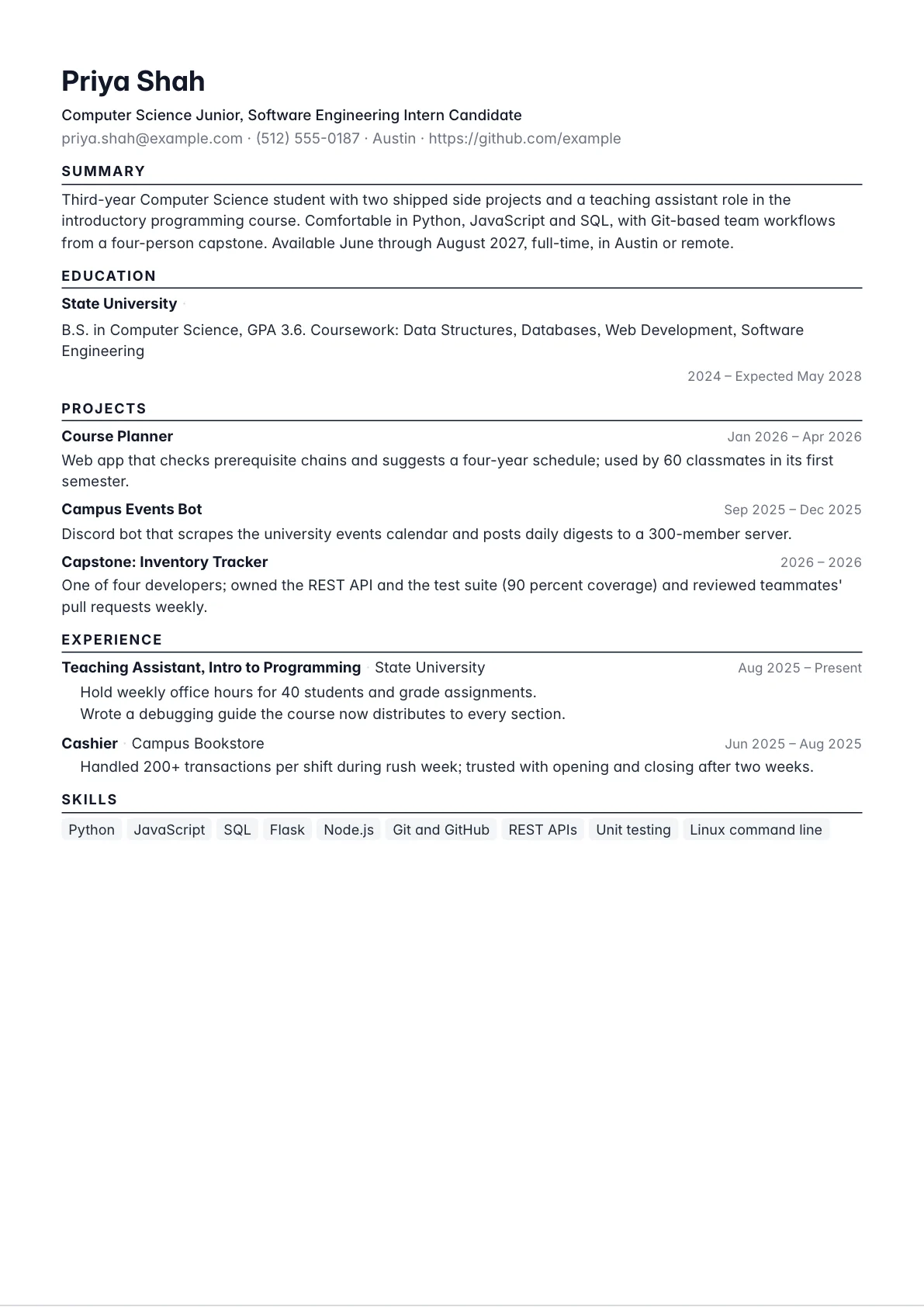
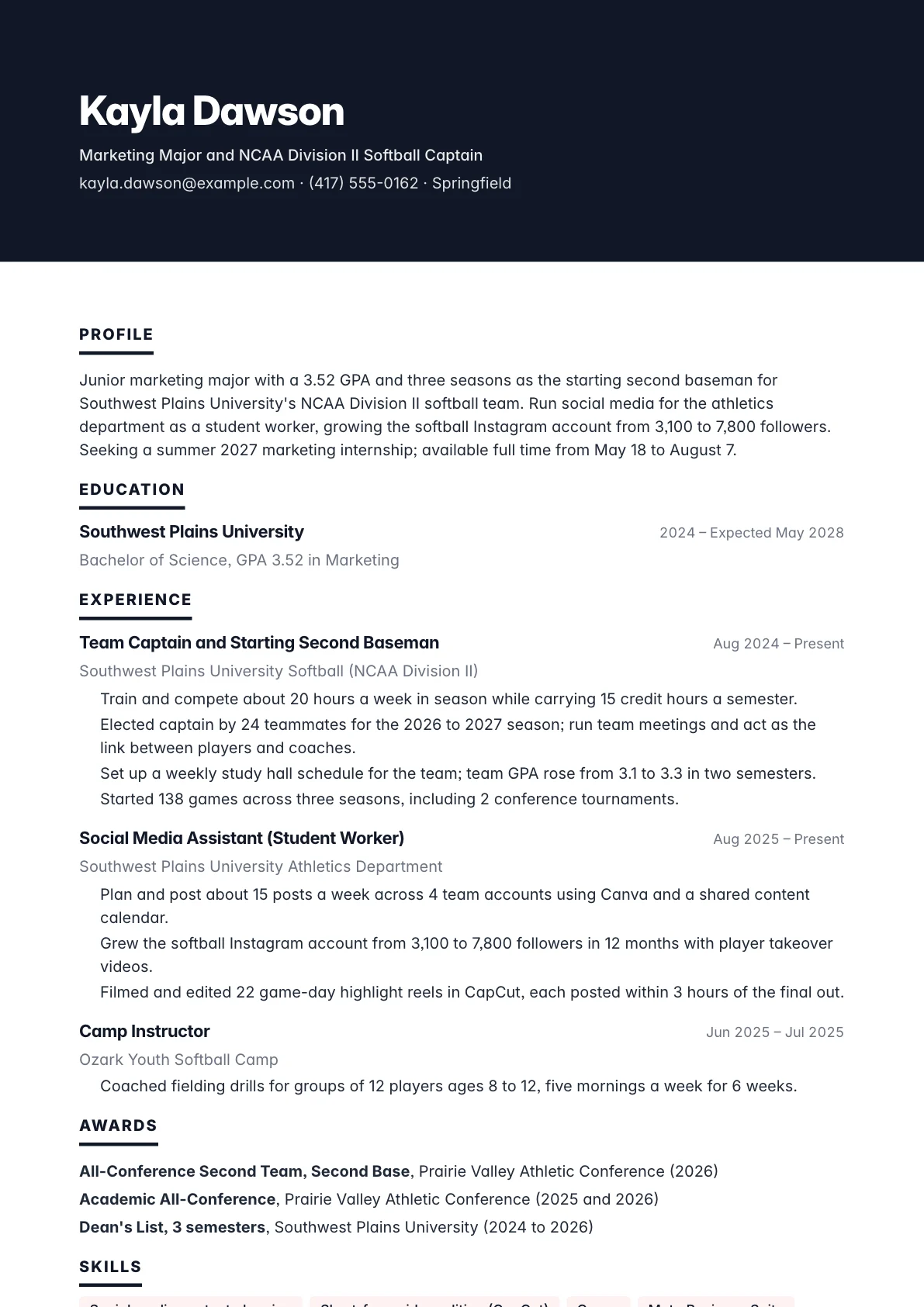
- In college. A campus or part-time job calls for the college student guide. A summer placement calls for the internship guide, where coursework and projects stand in for work history. If you play on a college team, the student athlete guide shows how to write the sport as real experience.
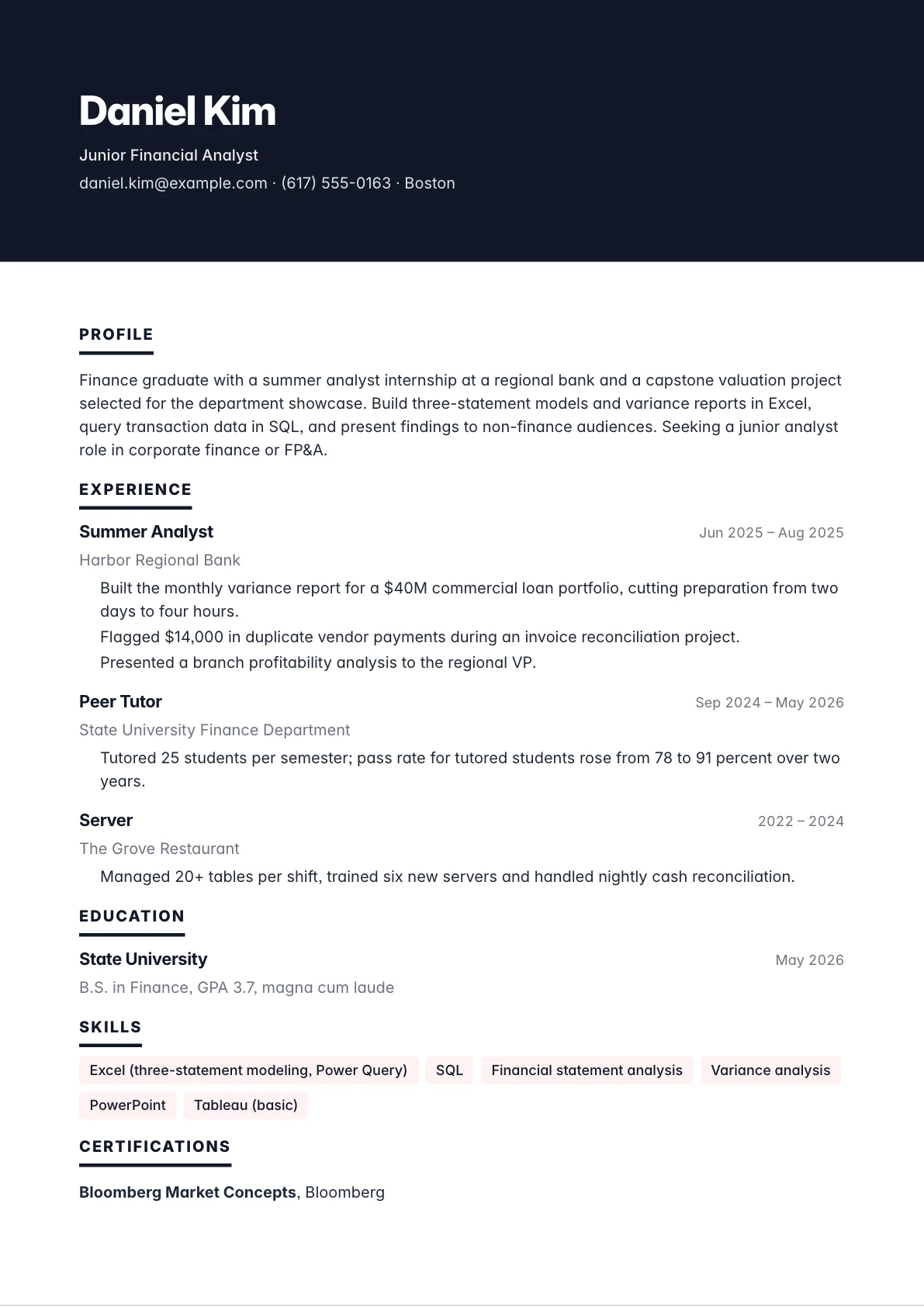
- Finishing a degree. Applying for your first full-time job after a bachelor's degree or higher? Use the recent graduate guide. Applying to a master's or doctoral program instead? The graduate school guide also explains when a program wants an academic CV.
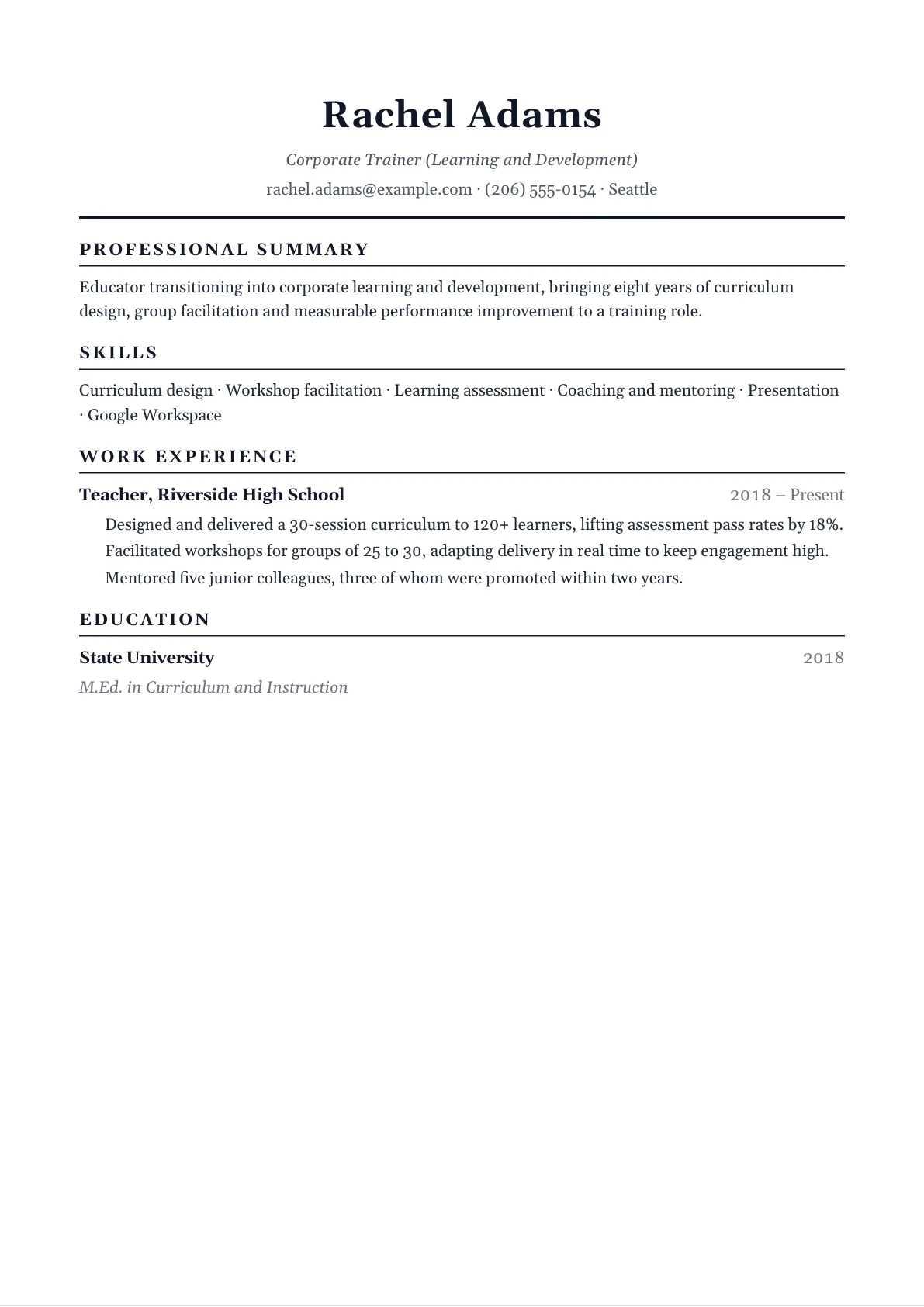
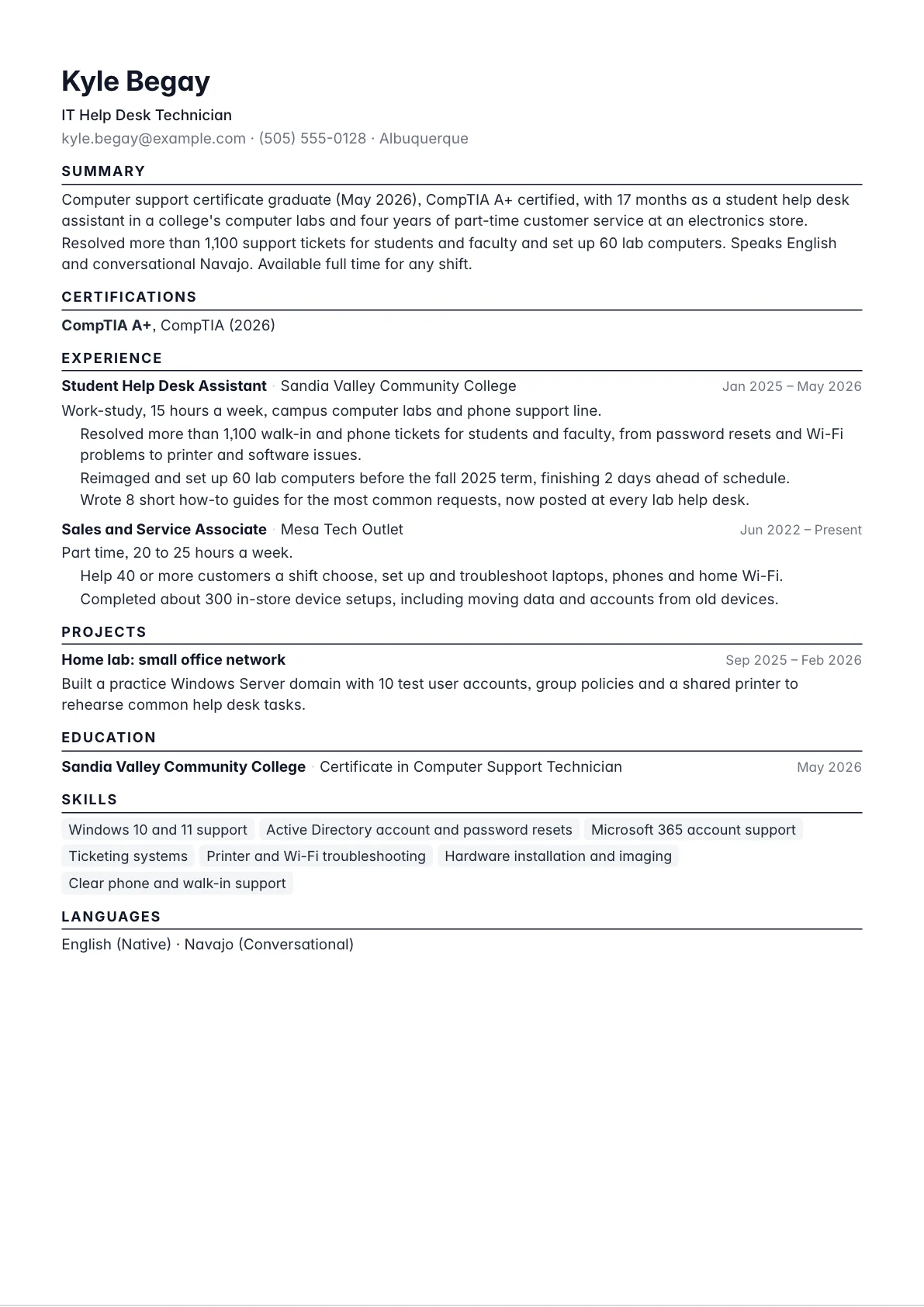
- Starting out without a job history. If you have never held a formal job, read the no experience guide and the first job guide. If you have just finished a certificate, trade program, bootcamp or apprenticeship and want your first full-time job in that field, the entry level guide fits better.
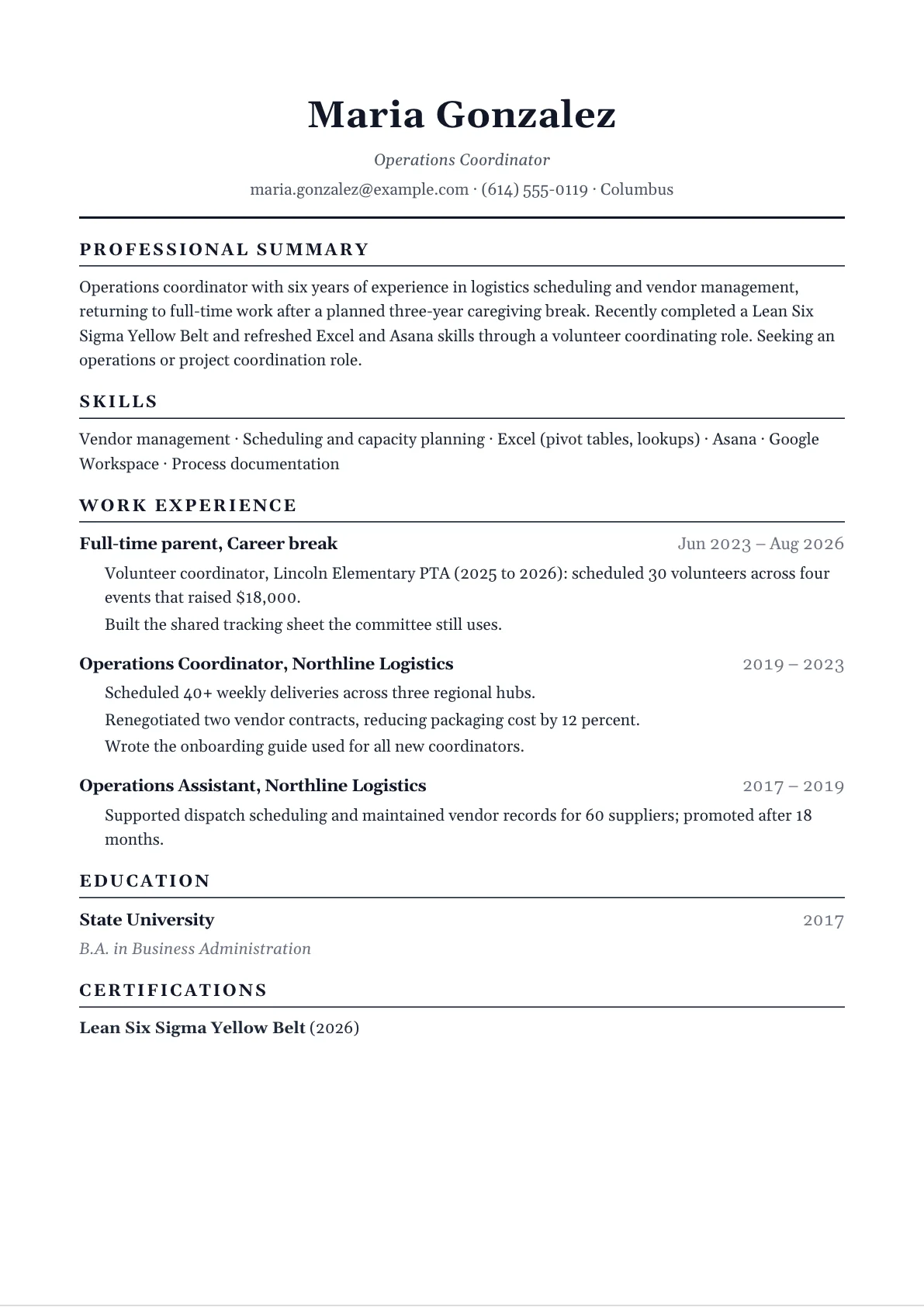
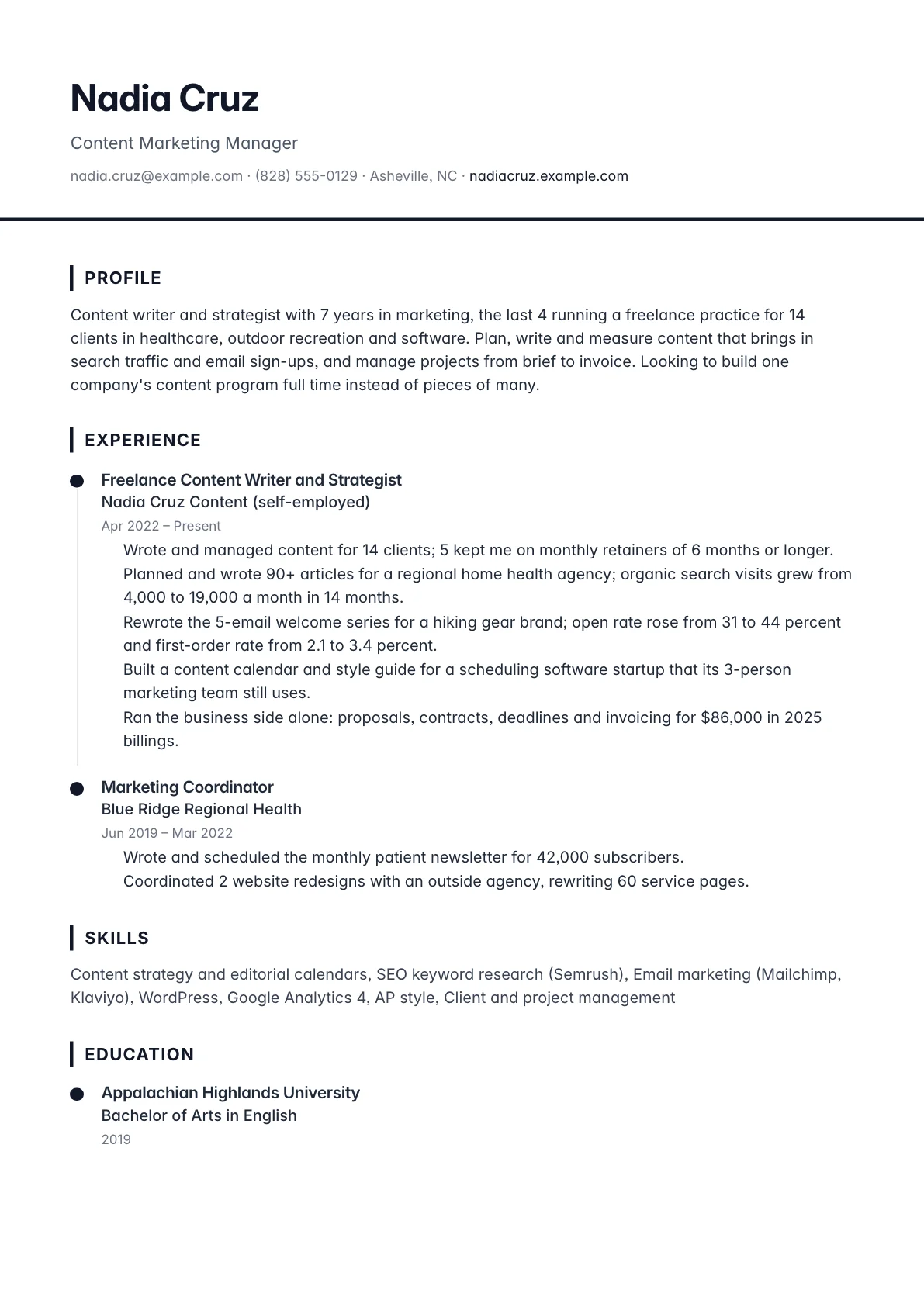
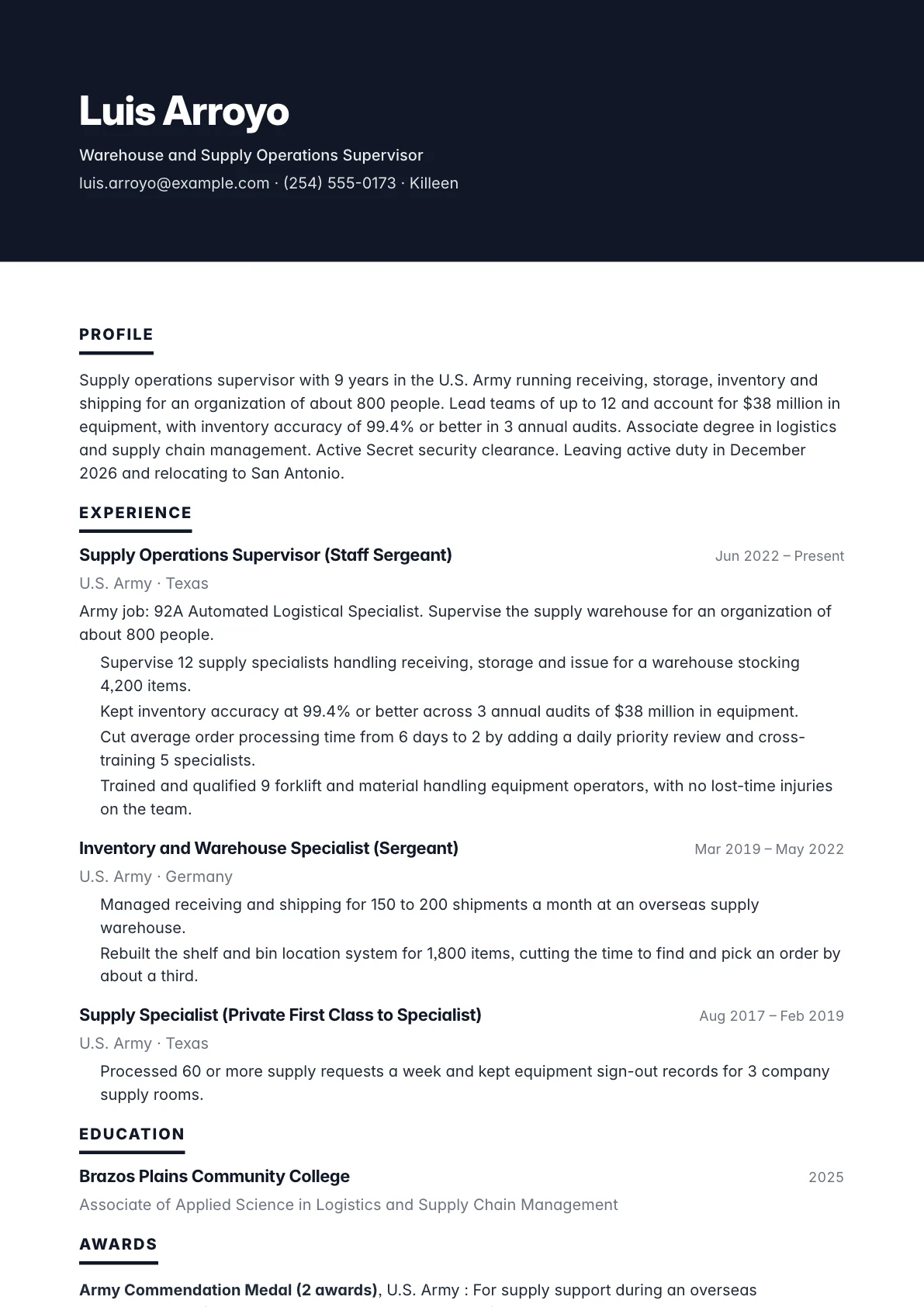
- Changing direction. Moving into a new field: the career change guide. Leaving the service: the military to civilian guide. Going back to work after time away: the employment gap guide. Moving from self employment or gig work into a salaried job: the freelance guide.
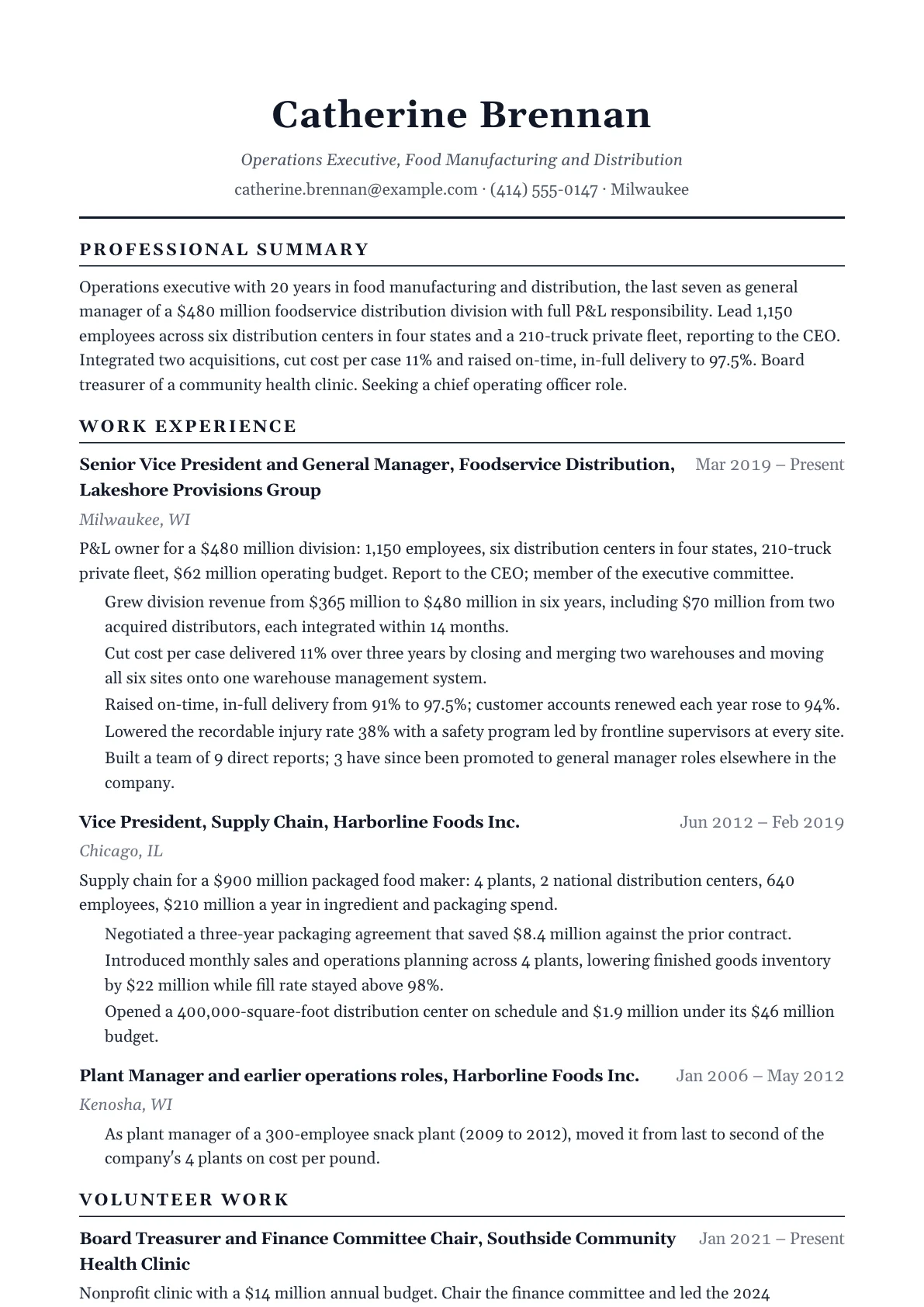
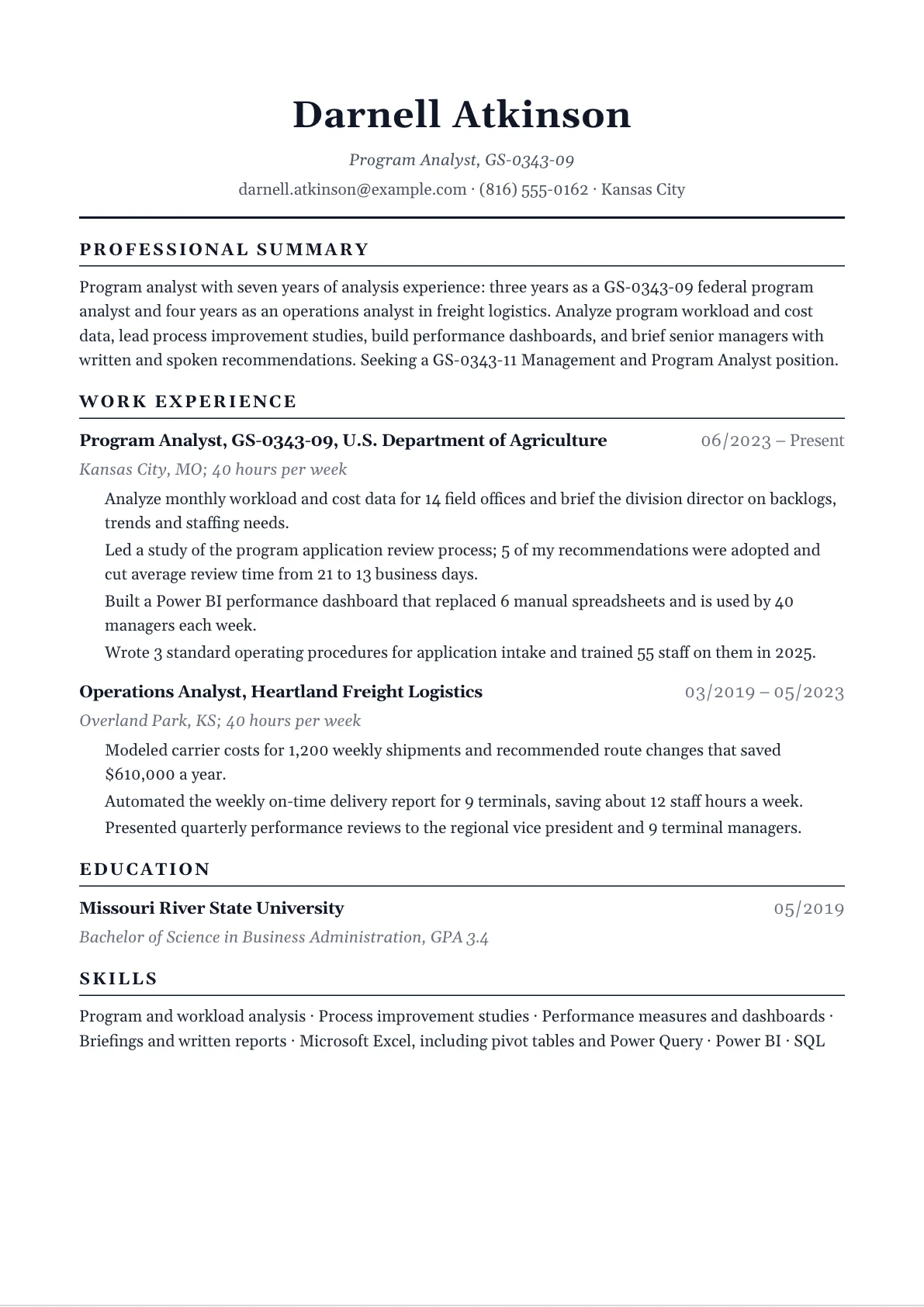
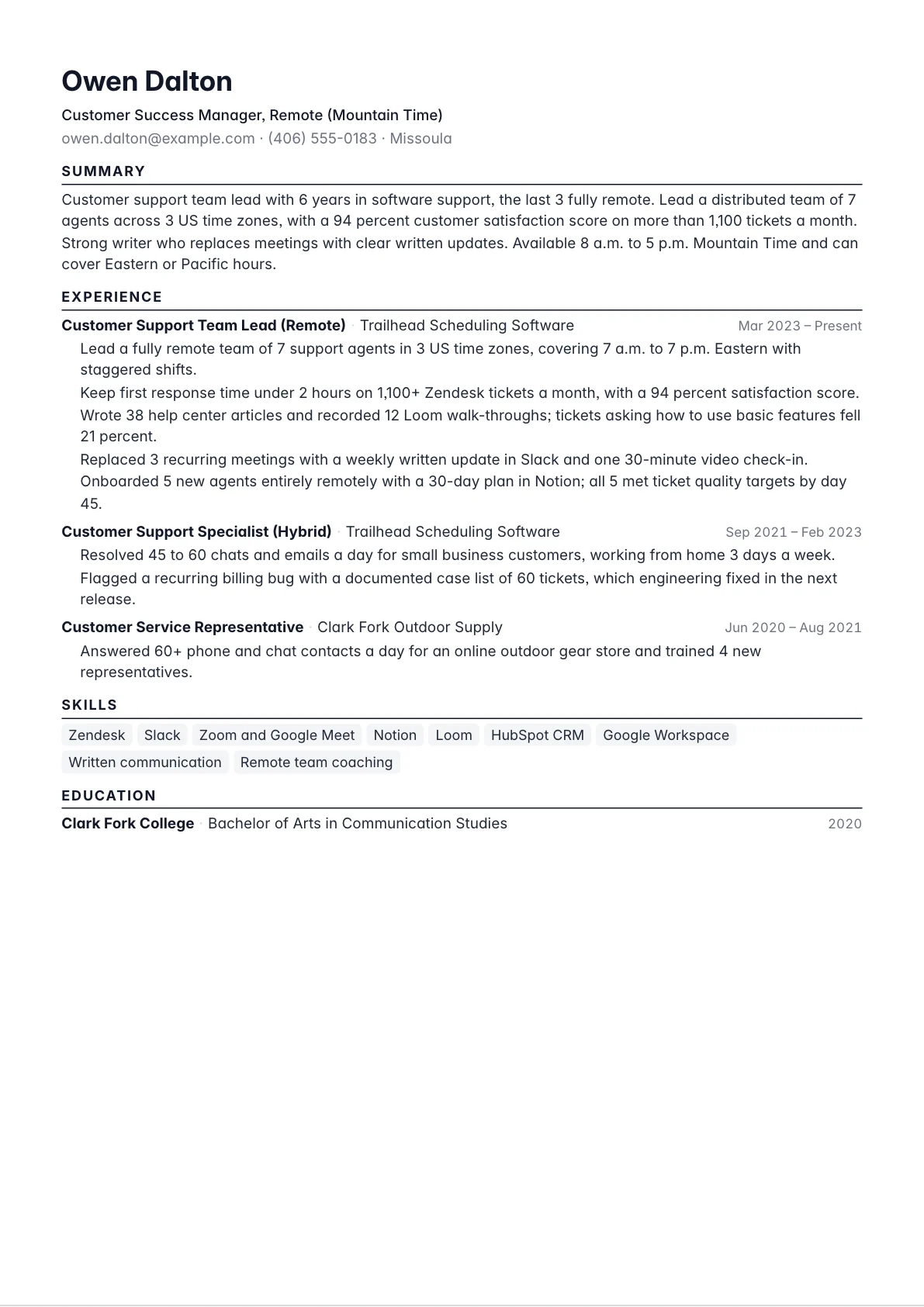
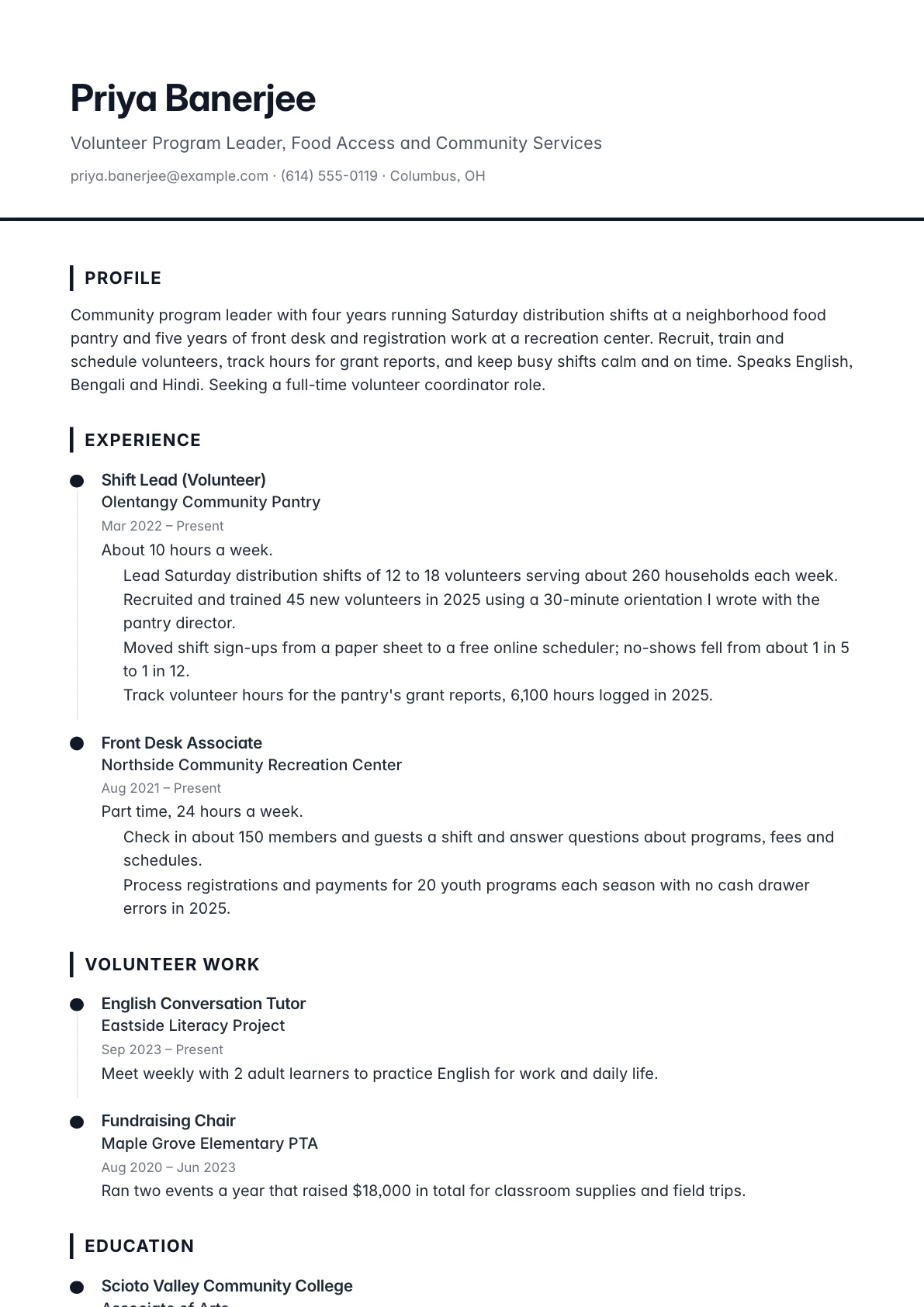
- Applying for a certain kind of job. Government jobs posted on USAJOBS need the federal resume guide. Senior leadership roles need the executive guide. Work from home jobs have their own remote job guide, and if unpaid work is your strongest evidence, see the volunteer guide.
How length and section order change
The sections on a resume barely change from one situation to the next. What changes is how long the page runs and which section a reader meets right after your summary. Here is what each guide recommends:
| Situation | Length | What comes right after the summary |
|---|---|---|
| High school student | One page | Education, then activities and volunteering. Work moves up once you have held one job for six months or more. |
| Scholarship | One page | Depends on the award: education for merit awards, volunteering with hours for service awards, offices held for leadership awards. |
| No experience or first job | One page | Education, then skills, volunteering and school projects. |
| College student | One page | Education, unless you already have a directly relevant job or internship. |
| Internship | One page | Education, then projects, then any work. |
| Recent graduate | One page | A relevant internship or job, or education when the degree is your strongest credential. |
| Entry level | One page | The certificate or license the job asks for, then related work. |
| Graduate school | One to two pages | Education, then research and relevant work. |
| Career change | Usual rule | A skills section built from what carries over, then a shorter work history. |
| Employment gap | Usual rule | Work history for a gap under a year; skills first for a break of a year or more. |
| Military to civilian | One page after one or two enlistments; two for long careers | Experience, with civilian job titles and the rank in parentheses. |
| Remote job | Usual rule | Experience, because that is where the proof of remote work lives. |
| Freelance | Usual rule | Experience, with the freelance entry first if it has been your main work for years. |
| Executive | Two pages | Experience, newest first, each role opening with its scope. |
| Federal | Two pages at most | Work experience with month and year dates and hours per week. |
The usual rule, as the remote job guide puts it: one page for most people with under ten years of work, two pages for longer careers.
Three rules that hold in every situation
- One column. Hiring software often reads two-column designs, text boxes and tables out of order, which scrambles dates and titles. All four CVPoet templates are single column, so you can switch between them without that risk.
- A job title at the top. Name the role you want in your headline, not your stage of life. Junior Data Analyst tells a reader far more than Recent graduate seeking opportunities.
- A number wherever one is true. Hours volunteered, people trained, orders shipped, money raised. With a short or unusual history, numbers do the work that job titles do for everyone else.
When two situations overlap
Real lives rarely fit one label. A veteran applying to a government job needs the military to civilian guide for translating the work and the federal guide for the page itself, which since September 2025 is limited to two pages under OPM guidance. A parent returning after a career break into a new field should read the employment gap guide for how to show the break, then the career change guide for how to lead with skills. A high school athlete hoping to play in college needs a job or scholarship resume and, separately, a one-page athletic profile for coaches; the student athlete guide covers both. Start from the guide that describes your biggest hurdle, and keep its section order.
Frequently asked questions
Which resume guide should I use if I have never had a job?
The no experience guide, if you have never held any formal job. If you are a teenager applying for part-time work, the first job or high school student guide is closer. If you have just finished a certificate or trade program, use the entry level guide.
What is the difference between an entry level resume and a first job resume?
A first job resume is for starter or part-time work with little or no paid history, so it leans on school, activities and availability. An entry level resume is for the first full-time job in a field, after training, and leads with the credential the job asks for.
Should a student put education or experience first?
Education, in most cases. Move experience above it once you have a job or internship directly related to the one you want, because that is the first thing a hiring manager for that role looks for.
Is a functional resume a good idea for a career change or a gap?
For most people a combination format is the safer choice: a skills section first, then a dated work history. The career change guide rates it best because it leads with what carries over and still shows the history recruiters expect, and the employment gap guide warns that many recruiters read a skills-only resume with no dates as hiding something.
How long should my resume be?
One page for students, new graduates and most people with under ten years of work. Two pages is normal for executives and long careers. Federal applications on USAJOBS are limited to two pages, and graduate school resumes can run one to two.
Do I need a different resume for a remote job?
The sections are the same, but put your city, state and time zone in the header, mark each remote or hybrid job in its title, and answer the posting's working hours in your summary. Bullets should prove written communication and reliability, since the resume doubles as a writing sample.
Where does volunteer work go on a resume?
Under Experience if a hiring manager would count it as relevant to the job, in date order with your paid work. Otherwise in its own Volunteer section after Experience. For federal jobs, list your hours per week for volunteer roles too.
Can I use more than one of these guides?
Yes. Start from the guide that matches your biggest hurdle, such as a gap, a career change or leaving the military, and keep its section order. Then borrow wording and advice from the other guides that apply to you.
Start from the guide that fits
Open any example above in the free builder, or begin with a blank page. No account needed, and the PDF has no watermark.
Build your resume, free